While many stakeholders continue to publicly downplay the discontent, it has become evident that Formula 1’s latest technical regulations have failed to satisfy a large portion of fans and drawn sharp criticism from drivers. The recent adjustments to electrical deployment and harvesting rules, along with confirmation of more significant changes for the upcoming season, amount to an indirect acknowledgment that the near-50-50 split between internal combustion engine power and electrical input is fundamentally flawed.
Although F1 CEO Stefano Domenicali recently argued that “overtaking is overtaking,” many fans and drivers reject the notion that quantity equals quality. Traditionalists are particularly frustrated by overtakes that result from differences in electrical charge rather than driver skill or bravery, describing them as undeserved.
Among the drivers, there is growing resentment, fueled by the fact that their warnings were ignored. The 50-50 principle was decided in high-level meetings with car manufacturers in mid-2022, but drivers only got to test the effects in simulators much later.
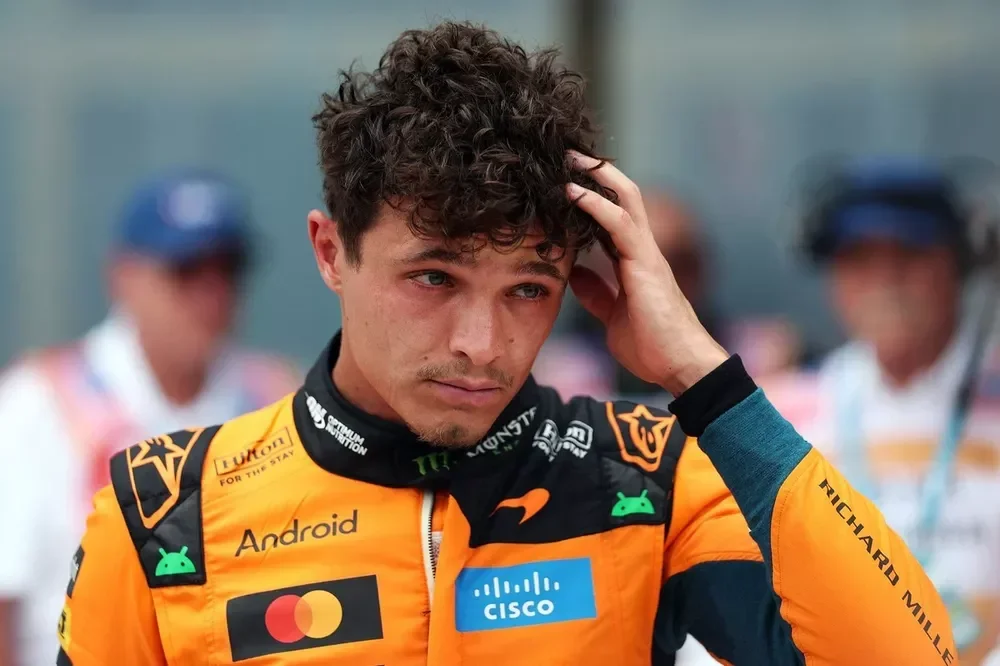
“Because there’s a bigger picture—manufacturers, partners, teams, and it’s a business—certain things aren’t that straightforward,” Norris said.
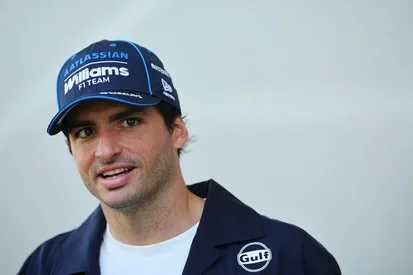
Speaking before the Miami Grand Prix, seven-time champion Lewis Hamilton argued it was time for drivers to “have a seat at the table” for rulemaking. Six drivers, including Hamilton’s teammate Charles Leclerc, were consulted on the pre-Miami tweaks, but that was essentially asking them to help close the stable door after the horse had bolted.
Defending champion Lando Norris agreed that drivers should have a long-term voice.
“We just have to give our input honestly,” he told select media, including Motorsport.com. “We want fans to enjoy themselves, we want to enjoy ourselves. We want F1 to be what we grew up watching—flat-out racing. That’s not what we’ve had. Good racing isn’t one driver on 100% battery and another on zero. It should come from allowing cars to follow closer through less weight, better tires, and less sensitivity to temperature and slipstream issues—not from relying on batteries and complex wing systems.”
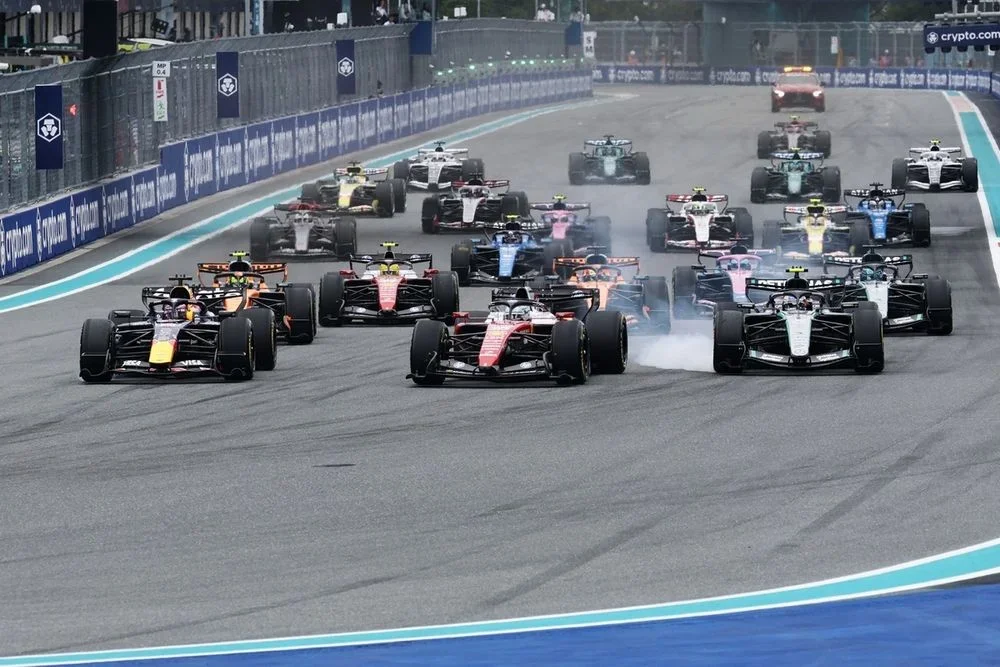
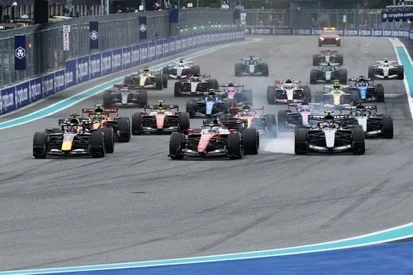
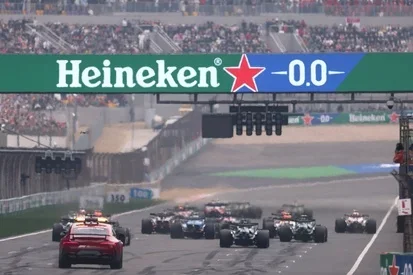
The current rules have led to dramatic starts and a style of ‘yo-yo’ racing that divides fans. Domenicali and FIA single-seater chief Nikolas Tombazis have diplomatically acknowledged that the regulations stem from car manufacturers’ demand for greater electrification in 2022—a trend that has since shifted.
In the meantime, the flawed 50-50 principle has been propped up with temporary fixes like active aerodynamics and arcane rules about when and where electrical power can be harvested or deployed.
“It could be done differently,” Norris continued. “That’s what we drivers hope for in the future. But because of the bigger picture—manufacturers, partners, teams, it’s a business—things aren’t simple. Hopefully, over the next five years, things can move back toward normality, and we can create even better racing.”
Next year, the power split will shift to roughly 60-40 in favor of combustion, but this is another band-aid over the limitations of modified current hardware. Longer term, some figures—including FIA President Mohammed Ben Sulayem—are pushing for a return to naturally aspirated V8 engines with a much smaller electrical component. This reportedly causes friction with manufacturers like Honda and Audi, while Ford and Cadillac, which have bigger U.S. presence, are more favorable to the V8 concept.
The current formula runs until the end of 2030. While the basic philosophy for the next one should be agreed this year to allow enough development time, Norris urges a more thoughtful approach to avoid introducing rules that are still in beta.
“What we drivers want is also what’s best for fans,” he said. “It’s a business, so you have to balance that side, where we don’t have much say. But we’re making progress with the FIA—they’ve done a good job trying to improve things. The bigger changes we want require more time.”