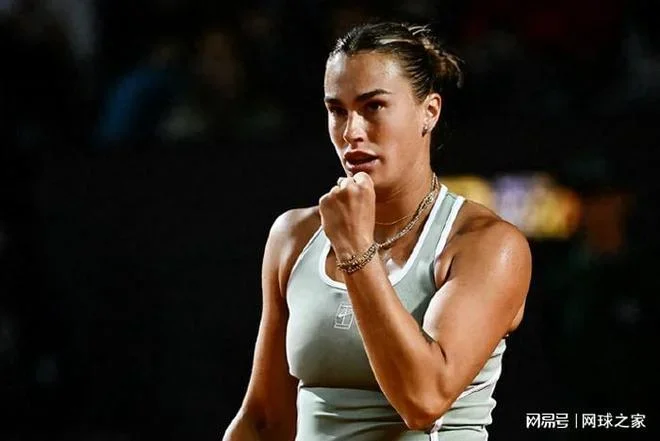
On May 9, the Rome Open witnessed another upset as world No. 1 Aryna Sabalenka was eliminated in the women’s singles third round, marking her third loss of the season. Facing 26th seed and Romanian veteran Sorana Cirstea, Sabalenka fought through three sets but ultimately fell 6-2, 3-6, 5-7 in a dramatic reversal, ending her Rome campaign early. The defeat not only marked her worst performance this season but also sparked widespread controversy due to a critical medical timeout in the deciding set.
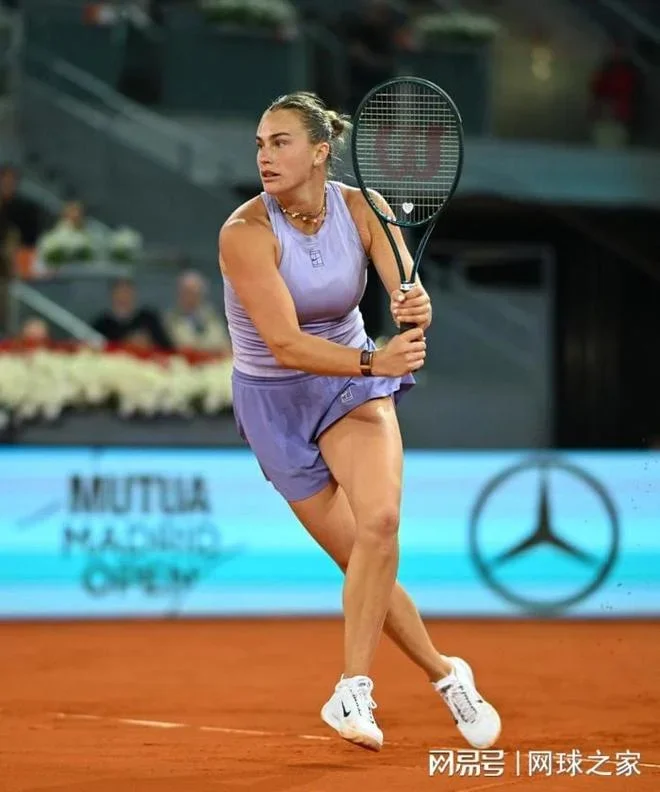
The biggest talking point of the match wasn’t the final score, but Sabalenka’s decision to call a medical timeout while trailing 3-4 in the deciding set, just as Cirstea was preparing to serve. The timing of the timeout was highly sensitive, disrupting her opponent’s rhythm. After the match, many fans accused Sabalenka of using a “tactical medical timeout” to gain an advantage, comparing her actions to similar controversial incidents involving Novak Djokovic. Critics argued that top players often exploit rules to halt play and shift momentum during key moments.
However, on-court footage also provided some justification for Sabalenka. During the match, cameras captured her visibly frustrated, shouting at her coaching box. This emotional outburst suggested genuine physical discomfort and declining form, rather than deliberate gamesmanship. The contradiction between real pain and accusations of tactical play made the controversy more complex, with only Sabalenka knowing the true situation.
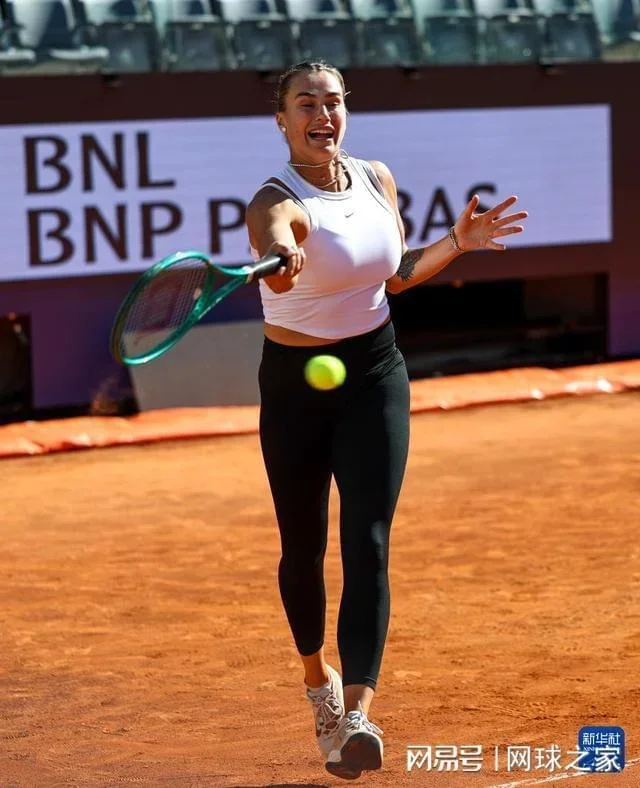
In contrast, Cirstea remained composed throughout. At 36, she had already announced that the 2026 season would be her last, making this victory over the world No. 1 a highlight of her farewell season. After losing the first set convincingly, she steadied herself, fought back, and won two consecutive sets to complete the comeback, adding a valuable chapter to her career.
Beyond her on-court struggles, Sabalenka has also been embroiled in industry debates and professional rights issues. During the Rome Open, she publicly advocated for player salary equity, questioning Grand Slam prize money distribution and pushing for reforms. Her early exit has weakened her voice in these discussions, adding obstacles to her pre-French Open campaign for rights.
Meanwhile, the nationality ban affecting her career saw new developments. Due to international tensions, Belarusian athletes have faced participation bans since 2022, later allowed to compete as neutrals without national flags or anthems. Recently, the International Olympic Committee fully lifted restrictions on Belarusian athletes, allowing them to compete under their national identity, which could grant Sabalenka the right to represent Belarus at the 2028 Los Angeles Olympics.
However, tennis authorities have not followed suit. On May 8, the International Tennis Federation (ITF) stated it would not lift bans on the Belarusian and Russian tennis associations, keeping their suspensions in place. The ITF indicated that Belarus’s membership would be reviewed at the annual general meeting in October, while restrictions on Russian players remain unlikely to be lifted soon.
Regarding her long-term neutral status, Sabalenka has repeatedly expressed her desire to compete under her national flag. She noted that as a role model for young tennis players in Belarus, she wants to inspire the next generation, proving that background should never limit dreams.
As the key warm-up event before the French Open, the Rome Open was supposed to be Sabalenka’s chance to regain form and win her first Rome title. She started the tournament strongly, easily defeating Barbora Krejcikova in the first round, and had a favorable head-to-head record against Cirstea. However, after an early exit in the Madrid Open quarterfinals, she again fell short in Rome, showing severe inconsistency. Now, with the added burdens of on-court controversy, physical concerns, and unresolved bans, the world No. 1’s path to the 2026 French Open is fraught with uncertainty.