

Throughout 18 years of covering professional baseball, I’ve encountered numerous “magic pitches.” Every breaking ball a pitcher throws carries its own story—why they learned it, how they grip it, and the technique behind it. In this series, I introduce the magic pitches I witnessed firsthand, featuring retired players and their signature throws. The first installment focuses on the forkball and splitter.
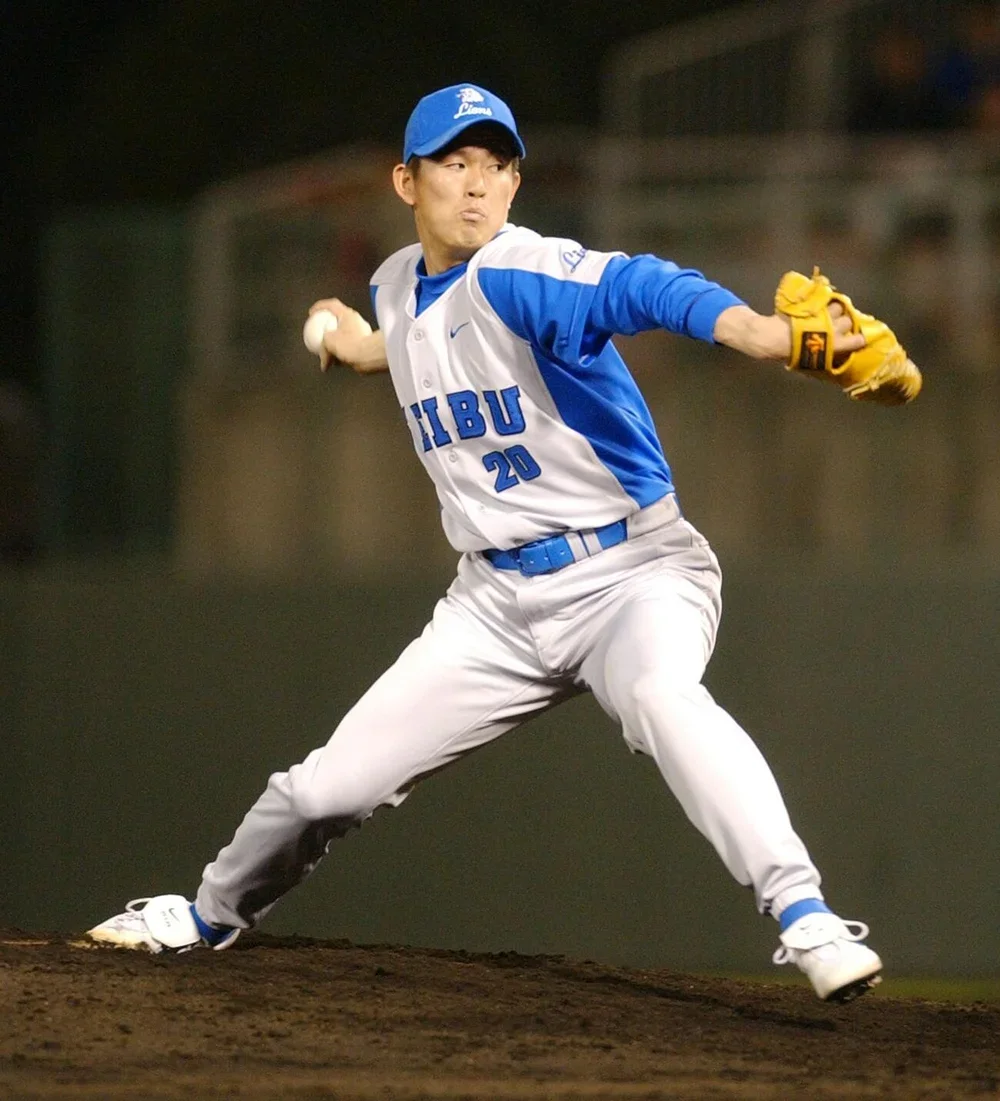
Toyoda Kiyoshi’s forkball, which he called his “lifeline,” was developed in his fourth professional season. When he first made the top team in his third year, his arsenal consisted of a fastball, curveball, and slider. “I thought I should learn a pitch that drops,” he recalled, so he began experimenting with a forkball grip. “Sometimes it didn’t drop and I got hit, but other times it did—so I figured if I kept refining it, it would work.” He honed it entirely on his own.
Why did Toyoda place such emphasis on the forkball? And what does the pitcher featured in the splitter edition call “the best splitter of my career”? Alongside their stories, we show actual grip photos. This series features 10 pitchers across five editions:
(1) [Forkball & Splitter] Pitcher T, Pitcher S
(2) [Shootball] Pitcher N, Pitcher O
(3) [Slider] Pitcher S, Pitcher T
(4) [Curveball] Pitcher N, Pitcher T
(5) [Changeup] Pitcher U, Pitcher Y
Toyoda’s forkball evolved over time, reaching speeds of 154 km/h. “I never forced it; I just kept throwing until it felt natural,” he said. That one pitch became his weapon against top hitters, often freezing them at the plate or inducing weak grounders. The splitter pitcher’s story, meanwhile, reveals a different path—one where a single grip adjustment turned a decent pitch into an unhittable weapon.
Stay tuned for more magic pitches in the coming editions.
